
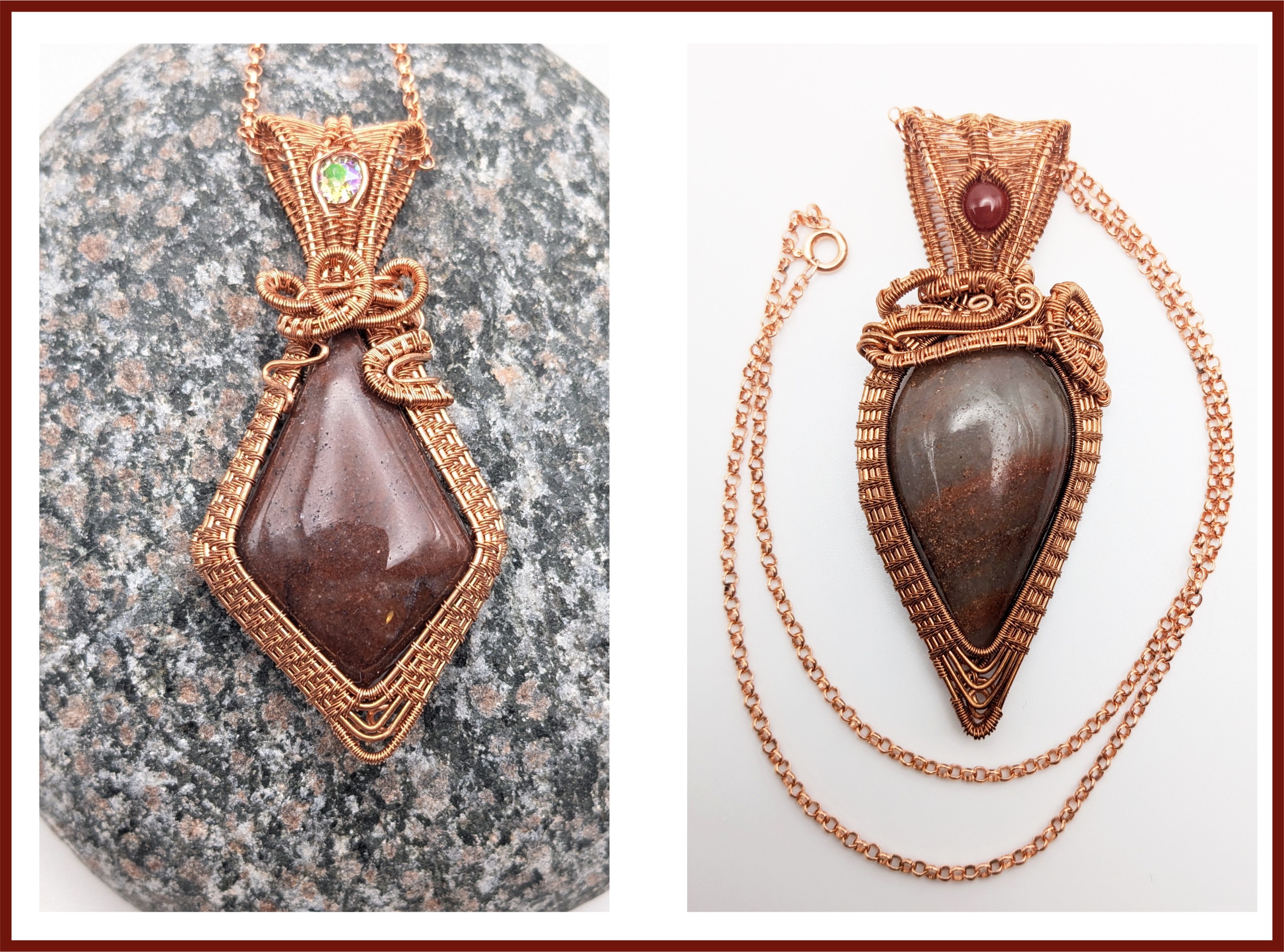
This stone’s story probably began almost 1 billion years ago. This is a quartzite, collected in NE Aberdeenshire from agricultural fields where ploughing churns up the glacial sediments that were left when the glaciers retreated ~ 10 thousand years ago.

It is difficult to know for sure where the glacier that brought this quartzite came from – it could be just a few kilometers away or it could be from far across the North Sea in Scandinavia, but there are a lot of quartzite rocks in the region, so it has probably only travelled a few tens of kilometers.
The quartzites in Aberdeenshire are part of a group of rocks known as the Dalradian, and these rocks record a lot of geological events. The quartzites show that sand was being deposited on beaches and in rivers, where the continent of Laurentia met the Iapetus Ocean, between 800 and 510 million years ago.
That sand formed by erosion of rocks that are much older and probably formed around 900 million (0.9 billion) years ago. The sand on those beaches and rivers became stuck together, forming sandstones.
And then continents collided.
During an event called the Caledonian Orogeny, Laurentia collided with two other continents – Avalonia and Baltica, as well as a volcanic island arc in the Iapetus Ocean. This collision took place over ~100 million years, from ~490-390 million years ago. Those river and beach sandstones deposited on the Laurentian margin were squeezed and deformed, with the crust shortening and thickening to form a mountain belt, a bit like the Alps or Himalayas today.
All that pressure and heat caused the sandstones to start recrystallising, making them much harder and forming the quartzites that we see today.
It is this recrystallisation that makes quartzites polish up so nicely – there is no space left between the original grains of sediment, and all the crystals interlock. Clays mixed in with the sand might recrystalise as mica crystals, which are very flat. When they recrystallise under pressure, the flat crystals line up, creating the sparkly effect of aventurescence.

In Aberdeenshire, the Dalradian rocks went through at least 4 different phases of deformation, as those three continents and the island arc crashed together so long ago.
Hundreds of millions of years later the Ice Age began, around 2.6 million years ago. During the last glacial period, Aberdeenshire was influenced by glaciers flowing from Scandinavia in the east and from other parts of Scotland to the north, west, and even the south. These glaciers ripped up pieces of bedrock from the ground they flowed over, and carried them along, grinding the stones, forming rock flour. When the glaciers retreated, all the rock flour and the stones they were carrying were dumped together, forming glacial till, which is a mix of pebbles, cobbles, and boulders set in a thick mud matrix.
In NE Aberdeenshire, the till was deposited on top of the Peterhead Granite, creating a fertile soil that made it possible for a village to develop as far back as the Iron Age. In 2023, ploughing of the fields ready to plant oats brought these pieces of vibrant quartzite to the surface.
